

Culture
Lighting the Way Where the Road Runs Out
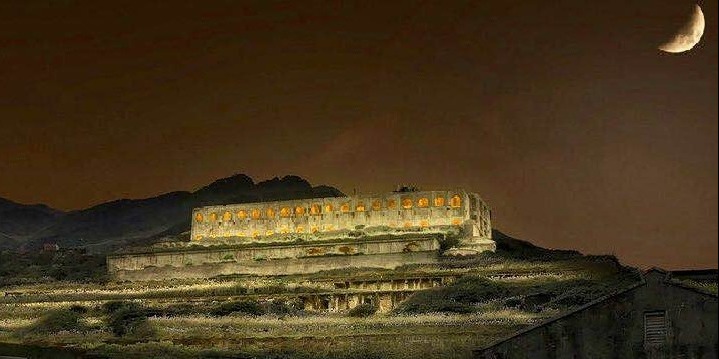
With U-Theatre’s presence, Jinguashi is no longer merely a former mining site.It has the potential to become a place where nature, history, and spiritual culture intersect.It could evolve into one of Taiwan’s rare cultural landscapes—an international destination that represents the depth of Taiwan’s cultural heritage, allowing Jinguashi to be rediscovered by the world in a new way.
Duration:2017
Rationale
In 2012, U-Theatre announced a suspension of creative work.
It was not an easy decision, but a moment when the troupe had truly reached a difficult crossroads.
At that time, we proactively reached out to U-Theatre, hoping to accompany them through this challenging period. Later, in 2014, due to environmental protection concerns, U-Theatre withdrew its application to convert the mountain theater in Muzha into a cultural preservation area—effectively giving up what might have been a long-term base.
From that point on, we accompanied the troupe as they searched across Taiwan—from south to north—for a new place where they could both settle and continue their artistic spirit. Unexpectedly, this journey eventually led us to Jinguashi—and toward a direction no one had originally anticipated.
Initiatives
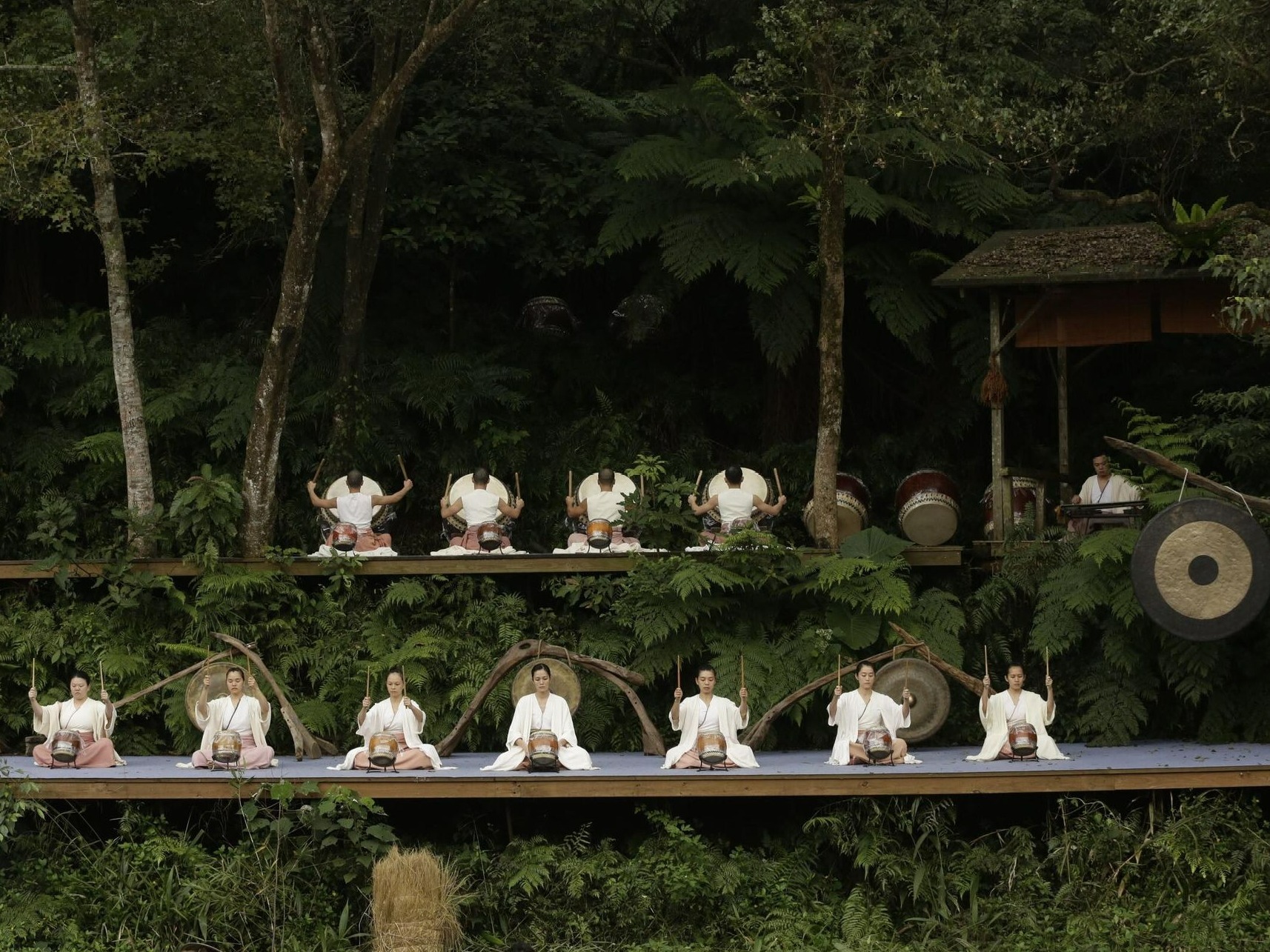
The core spirit of U-Theatre lies in what they call “Zen drumming.”
In Taiwan’s environment of religious freedom, they developed an art form that combines spiritual practice and performance— not for spectacle, but for stillness, concentration, and inner strength.
When we first heard they might suspend their activities, our initial idea was to support outdoor touring performances.
On one level, this form of performance resonated with the logistics industry in a surprising way: Drumming may appear simple, yet it can reach the world stage—just as even the most fundamental work can shine.
Outdoor performances withstand wind and rain.
Like freight transport, the key is simply to get the job done.
But over time, we realized the deeper challenge was not performance—it was finding a place to call home.
Finding a site capable of carrying the troupe’s spiritual and artistic vision was not easy.
U-Theatre needed more than a rehearsal space; they needed an environment that could coexist with nature and sustain their philosophy.
So our support gradually shifted toward a site-finding initiative.
Together with the troupe, we visited potential locations one by one.
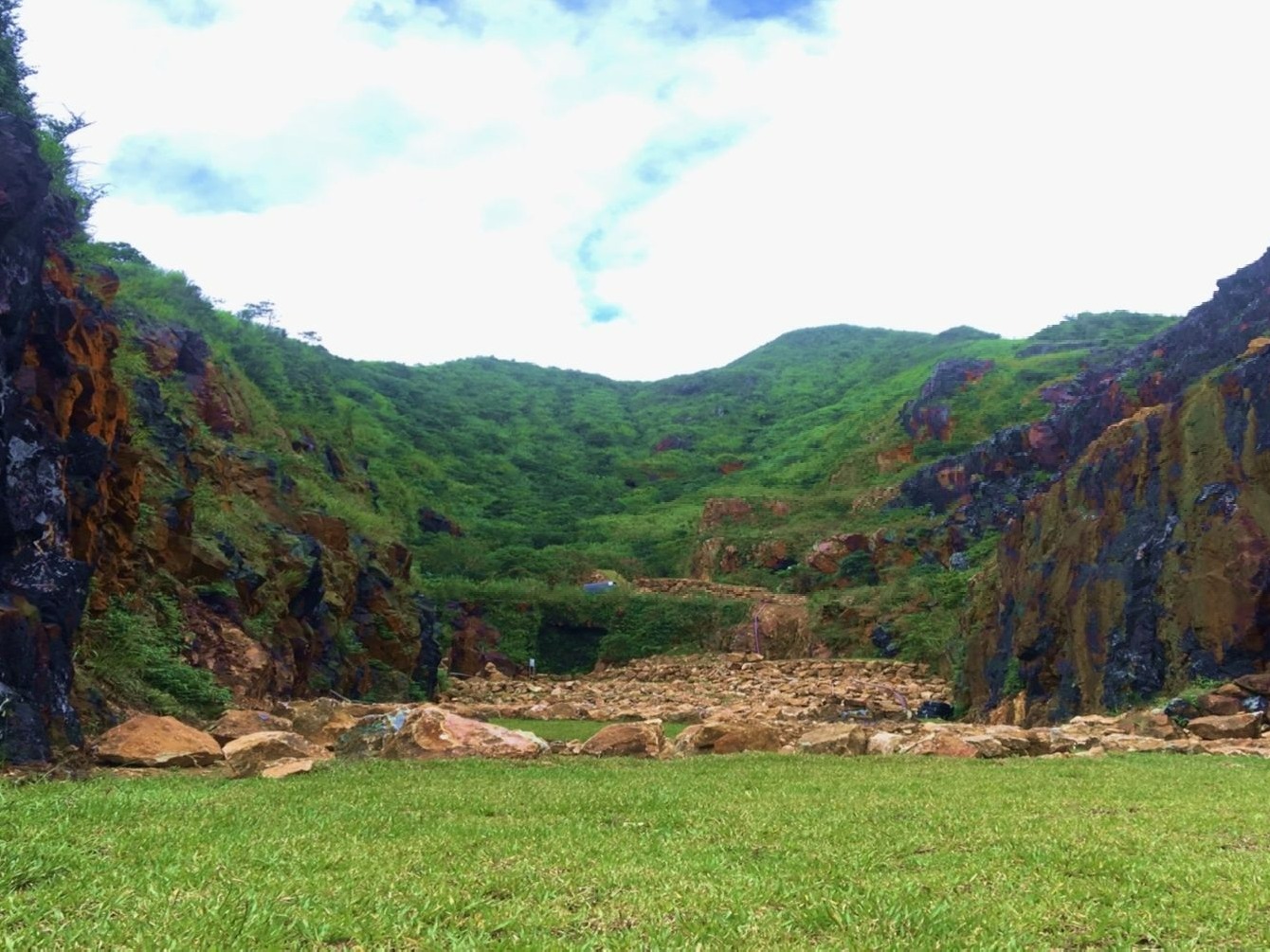
Eventually, the decision was made to settle in Jinguashi, exploring the possibility of establishing an environmental theater within the Benshan mining heritage area.
Originally, the troupe had planned to locate near the Gold Museum, but unexpectedly they secured a lease in the Shuinandong area instead.
U-Theatre clearly understood one reality: Even if they settled in Shuinandong, a single theatre company could not revitalize an entire community.
That realization sparked a broader idea: If we cannot claim ownership of the land, perhaps we can still do something meaningful for it.
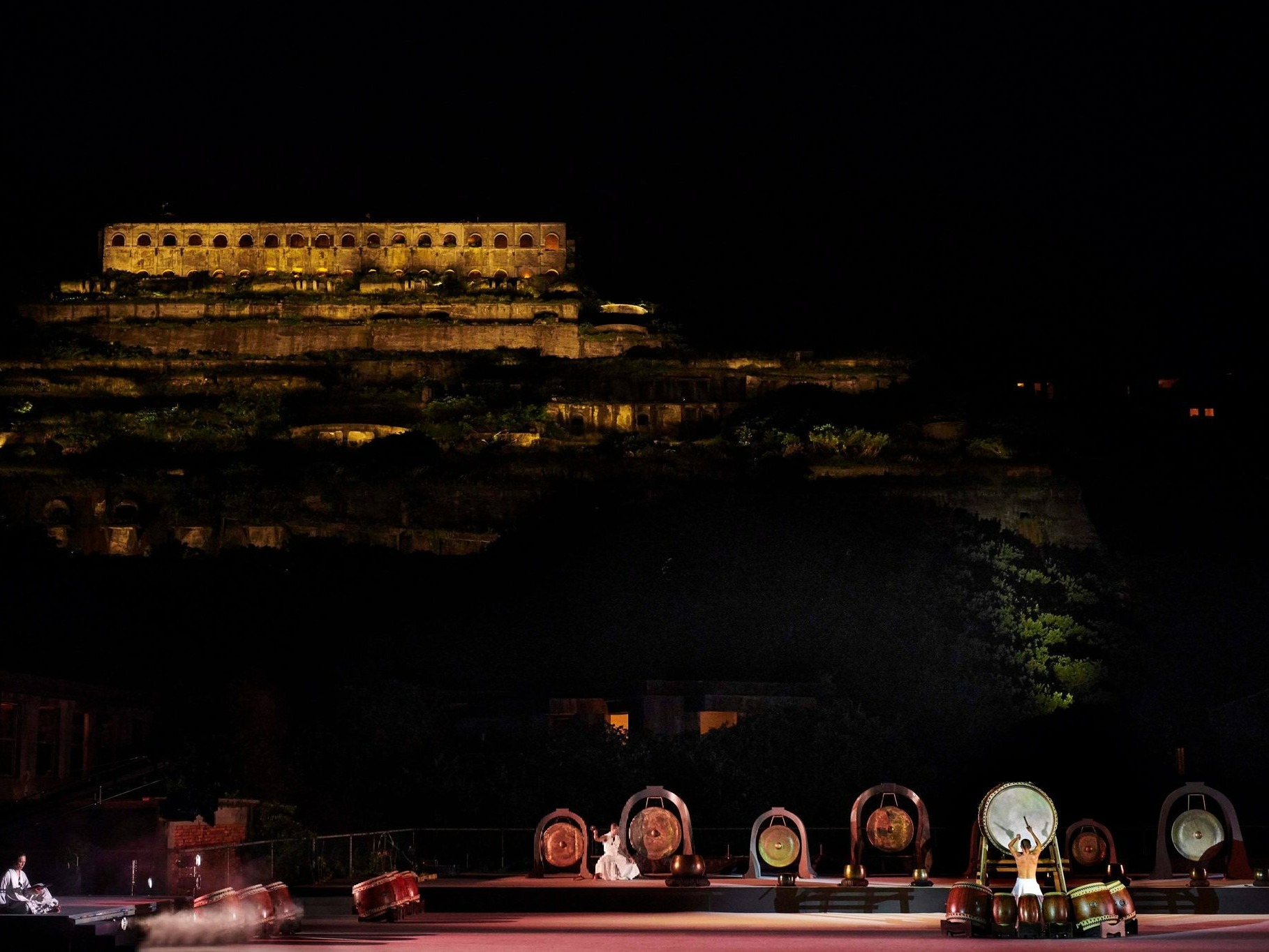
The “Thirteen Levels” mining site has long been regarded as a defining landmark of Jinguashi, yet it remained closed and unused for years.
Both U-Theatre and we understood that illuminating the Thirteen Levels would bring no direct benefits to the troupe— no performance venue, no revenue, and no immediate economic gain for residents.
As they themselves said: “We don’t own boats or buildings.
Lighting the Thirteen Levels brings us no benefit.
You may question our motives, but you cannot deny that we did it.”
In truth, the idea of lighting the Thirteen Levels had been proposed before.
But it had always stalled due to practical barriers: The land belonged to Taiwan Power Company, was located within a pollution control zone, and was subject to strict development restrictions.
The obstacles were immense, and there was virtually no precedent.
But we had always seen ourselves as those willing to shoulder risk.
So the first step was to invite renowned international lighting designer Zhou Lian to develop a comprehensive lighting plan and simulation.
We also set a clear boundary for ourselves: If the project ultimately proved impossible, we would at least share the vision publicly— so that one day, perhaps, others could gather the strength to continue.
Once the design was complete, applause did not immediately follow. Instead, there was a long process of dialogue.
Taiwan Power Company, the Environmental Protection Administration, the New Taipei City government, central ministries, the General Association of Chinese Culture, legislators— one organization after another required explanation, discussion, and negotiation. Only after someone within Taiwan Power took the initiative to bring the proposal forward—and as understanding gradually grew among different parties—did the illumination of the Thirteen Levels finally become reality.
But that was not the end of the story.
Impact
A vision still in motion. Even today, we continue working to persuade stakeholders—hoping that Taiwan Power and Taiwan Sugar, both owners of land in Jinguashi, might collaborate with U-Theatre.
With U-Theatre present, Jinguashi is no longer simply a former mining site.
It becomes a cultural landscape where nature, history, and spiritual practice converge.
It has the potential to become one of Taiwan’s rare cultural destinations— a place capable of representing the depth of Taiwan’s cultural heritage to the international community.
In doing so, Jinguashi may once again be seen by the world— but in an entirely new way.
The journey is slow, and far from easy.
Precisely for that reason, it is a road worth continuing.
A vision still in motion. Even today, we continue working to persuade stakeholders—hoping that Taiwan Power and Taiwan Sugar, both owners of land in Jinguashi, might collaborate with U-Theatre.
With U-Theatre present, Jinguashi is no longer simply a former mining site.
It becomes a cultural landscape where nature, history, and spiritual practice converge.
It has the potential to become one of Taiwan’s rare cultural destinations— a place capable of representing the depth of Taiwan’s cultural heritage to the international community.
In doing so, Jinguashi may once again be seen by the world— but in an entirely new way.
The journey is slow, and far from easy.
Precisely for that reason, it is a road worth continuing.
Visit U-Theatre

