Culture
A Corporation Is Part of Society — Even a Character in Its Own Right
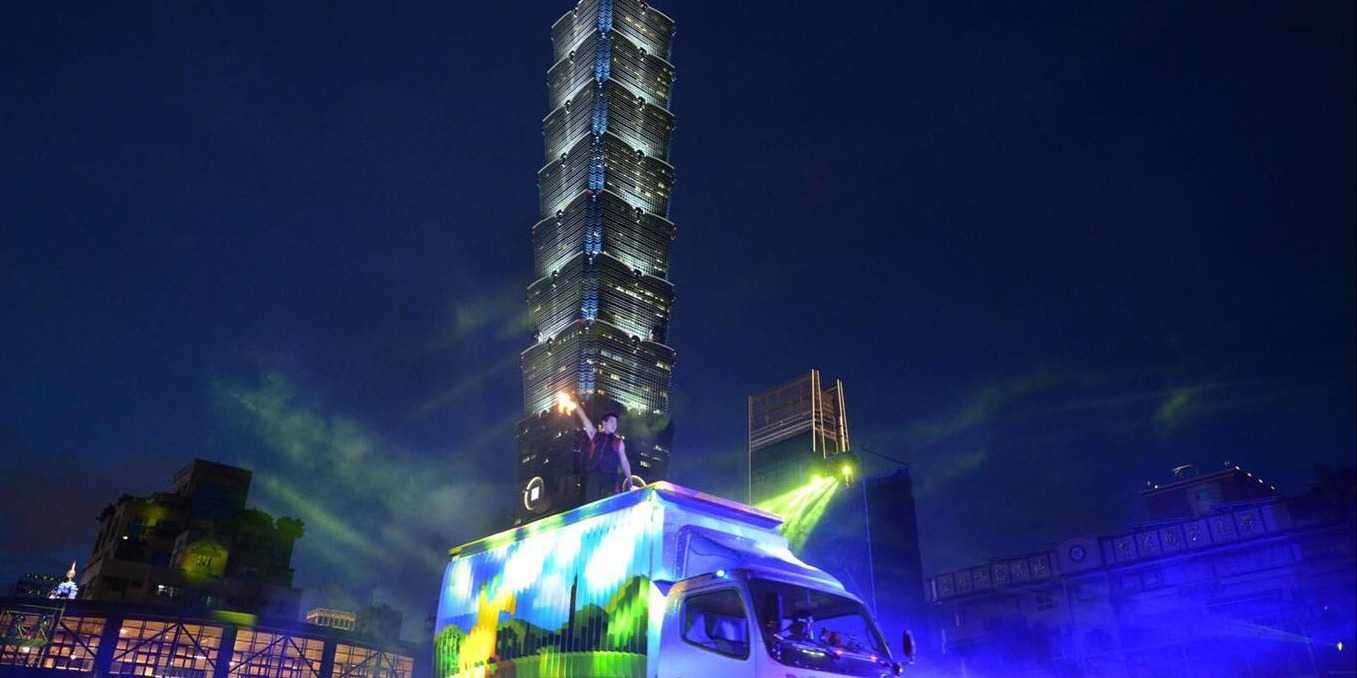
If we can also learn from the Paper Windmill Theatre about administration and team management, it strengthens our overall professional growth.Wherever the tour travels is often the very towns our logistics colleagues serve every day.Drivers proudly say, “That’s our company’s truck.”
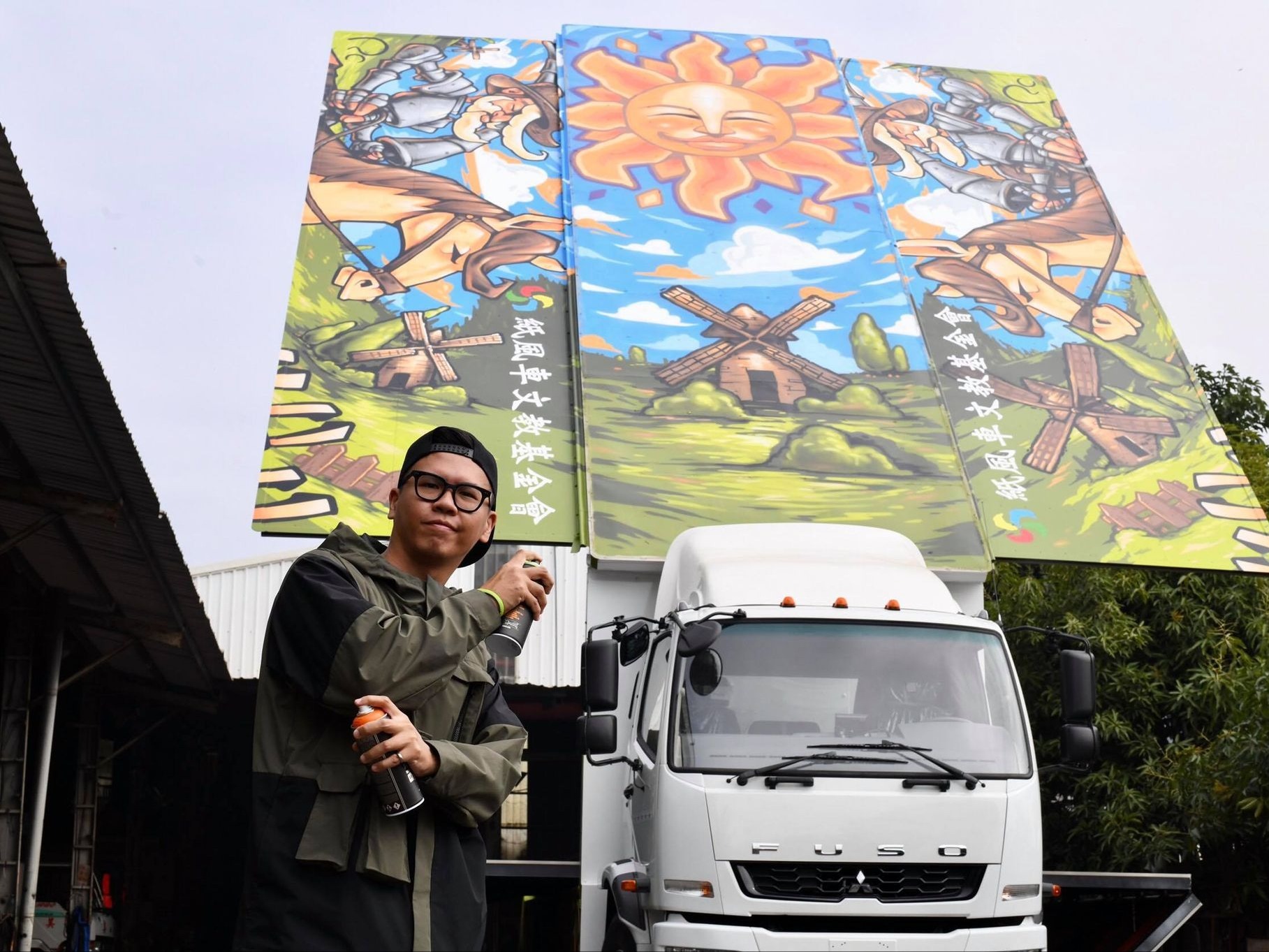
Photo by高修民
Duration:2014
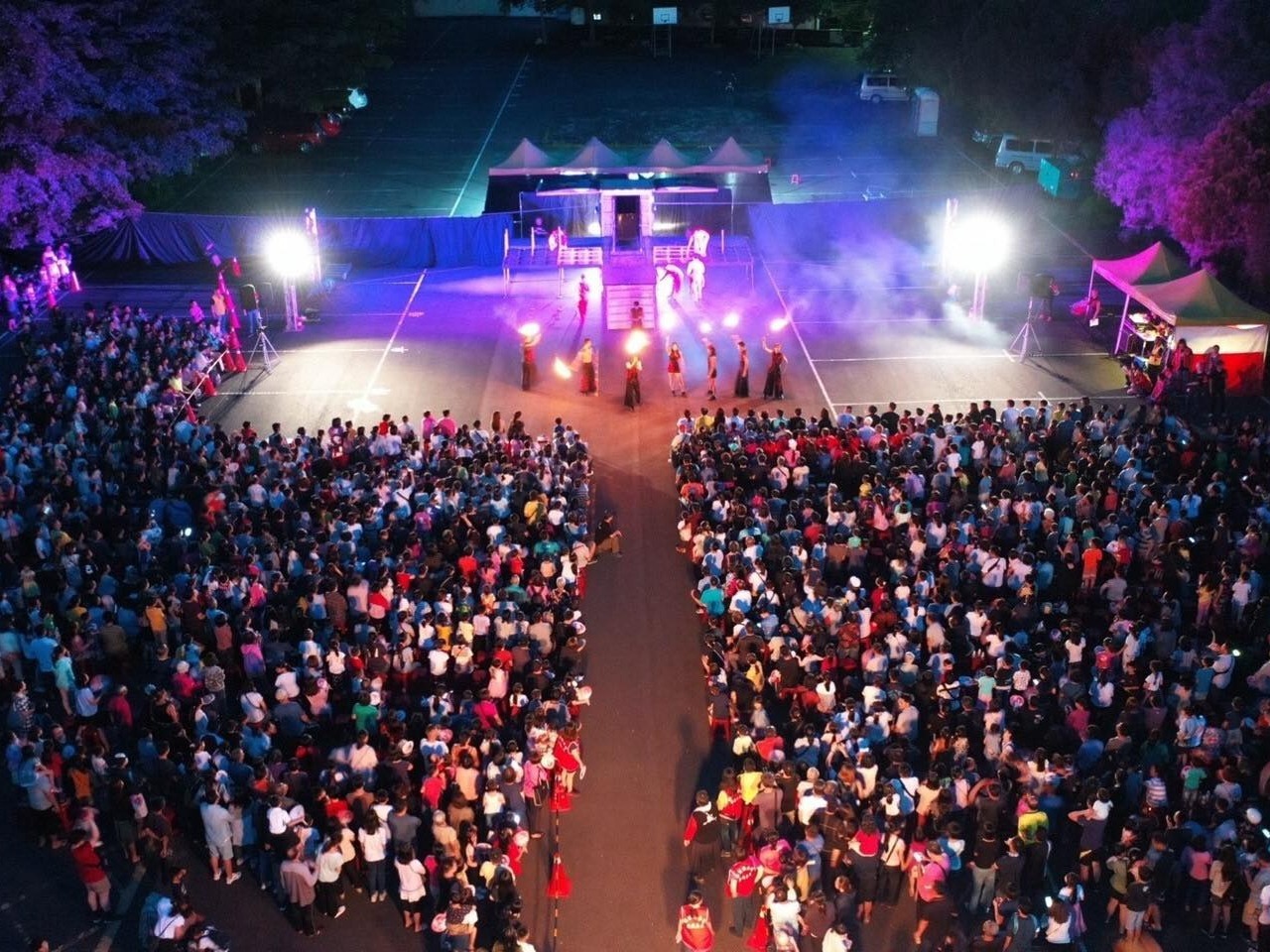
Photo by高修民
Rationale
When promoting corporate social responsibility, we have always held one clear belief:
Public good cannot be reduced to writing a check. Nor should it be merely about branding.
A company is like a person—it has its own character and strengths.
If a business relies on certain capabilities to stand firmly in society, then when giving back, it should do so using those same capabilities.
So we continuously asked ourselves three questions:
What do we truly want to contribute?
What is genuinely suited to our strengths?
Is there something that only we can do?
Initiatives
In Taiwan, mobile stage trucks—commonly seen as electronic parade floats—are a distinctive part of street culture.
Whether for temple festivals, celebrations, or political rallies, once parked, a truck can instantly transform into a performance stage.
And these stage vehicles are, at their core, modified cargo trucks.
Trucks. Roads. Mobility.
These are precisely what the logistics industry understands best.
That is how the Paper Windmill Truck Art Project was born.
In this initiative, roles were clearly defined:
The logistics company: responsible for vehicle modification, driving, maintenance, and road safety
Paper Windmill Theatre: overseeing overall administration and coordinating touring logistics
Other performing groups: joining the tour to bring diverse forms of art to communities
We intentionally did not limit performances to Paper Windmill alone.
The reason is simple: while Paper Windmill is one of the few—perhaps the only—theatre groups in Taiwan capable of sustaining long-term outdoor tours, children need more than a single artistic form. They deserve diverse artistic stimulation.
We would even joke, half seriously:
“We can’t let children in rural areas think that theatre equals only Paper Windmill.”
Paper Windmill was generous in sharing years of touring experience with other participating groups.
Outdoor performances can withstand wind and sun—but the greatest challenge of a nationwide tour has never been the performance itself. It is logistics.
The vehicle must run.
Equipment must be safe.
Drivers must be coordinated.
Routes must be carefully planned.
If the truck stops, the performance stops.
And that is precisely the arena where logistics expertise matters most.
This kind of participation—where without us, the project simply cannot happen—carries deeper meaning.
In Taiwan, mobile stage trucks—commonly seen as electronic parade floats—are a distinctive part of street culture.
Whether for temple festivals, celebrations, or political rallies, once parked, a truck can instantly transform into a performance stage.
And these stage vehicles are, at their core, modified cargo trucks.
Trucks. Roads. Mobility.
These are precisely what the logistics industry understands best.
That is how the Paper Windmill Truck Art Project was born.
In this initiative, roles were clearly defined:
The logistics company: responsible for vehicle modification, driving, maintenance, and road safety
Paper Windmill Theatre: overseeing overall administration and coordinating touring logistics
Other performing groups: joining the tour to bring diverse forms of art to communities
We intentionally did not limit performances to Paper Windmill alone.
The reason is simple: while Paper Windmill is one of the few—perhaps the only—theatre groups in Taiwan capable of sustaining long-term outdoor tours, children need more than a single artistic form. They deserve diverse artistic stimulation.
We would even joke, half seriously:
“We can’t let children in rural areas think that theatre equals only Paper Windmill.”
Paper Windmill was generous in sharing years of touring experience with other participating groups.
Outdoor performances can withstand wind and sun—but the greatest challenge of a nationwide tour has never been the performance itself. It is logistics.
The vehicle must run.
Equipment must be safe.
Drivers must be coordinated.
Routes must be carefully planned.
If the truck stops, the performance stops.
And that is precisely the arena where logistics expertise matters most.
This kind of participation—where without us, the project simply cannot happen—carries deeper meaning.
Impact
For participating performing groups, this is more than simply another show.
Outdoor touring brings them closer to audiences and pushes them to refine scripts and performance styles continuously.
If they can also learn administrative systems and team management from Paper Windmill Theatre, it significantly enhances their professional development.
Wherever the tour arrives is often the very township our logistics teams serve daily.
Drivers proudly say, “That’s our company’s truck.”
They are not just invited to stand beside a stage; they are integral to making the performance possible.
The sense of pride and accomplishment comes from a simple truth:
Without them, this meaningful event would not take place.
Just as delivering goods and seeing customers smile is the greatest reward in daily operations, the Paper Windmill Truck Art Project works the same way.
Using what we know best,to deliver the best gift to every child.
For participating performing groups, this is more than simply another show.
Outdoor touring brings them closer to audiences and pushes them to refine scripts and performance styles continuously.
If they can also learn administrative systems and team management from Paper Windmill Theatre, it significantly enhances their professional development.
Wherever the tour arrives is often the very township our logistics teams serve daily.
Drivers proudly say, “That’s our company’s truck.”
They are not just invited to stand beside a stage; they are integral to making the performance possible.
The sense of pride and accomplishment comes from a simple truth:
Without them, this meaningful event would not take place.
Just as delivering goods and seeing customers smile is the greatest reward in daily operations, the Paper Windmill Truck Art Project works the same way.
Using what we know best,to deliver the best gift to every child.