

Culture
When the Ordinary Must Be Extraordinary
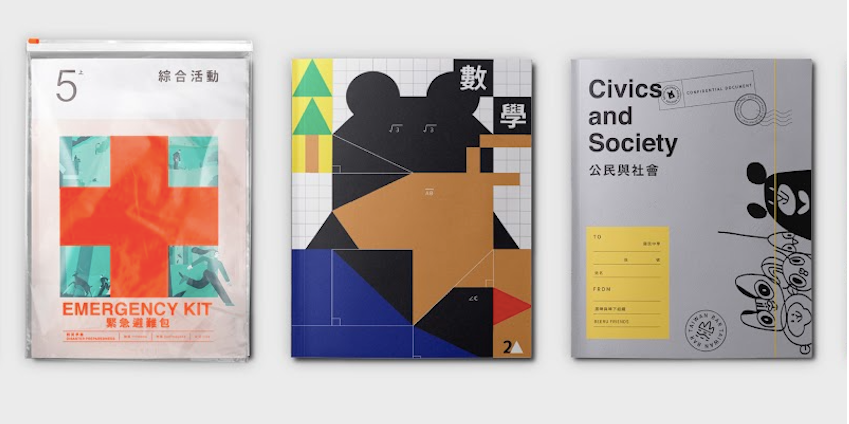
If a child spends twelve years in school, the time they spend with textbooks adds up to about 12,760 hours.That is equivalent to watching 6,000 films, or visiting an art museum 3,000 times.If during those long hours the textbooks accompanying them every day do more than transmit knowledge—if they also nurture a sense of beauty—then after twelve years, could it quietly reshape how an entire generation understands what beauty is?
Duration:2016
Rationale
Over the course of twelve years of schooling, a child spends approximately 12,760 hours with textbooks.
That is the equivalent of watching 6,000 movies, or stepping into an art museum 3,000 times.
If textbooks—those daily companions—could offer more than information,
if they could also cultivate aesthetic awareness,
then twelve years later, might they quietly transform how a generation perceives beauty?
As one idea put it clearly:
“If textbooks are the only books rural children encounter during their education, then they should not merely be ‘basic materials’—they should be the best materials.”
Initiatives
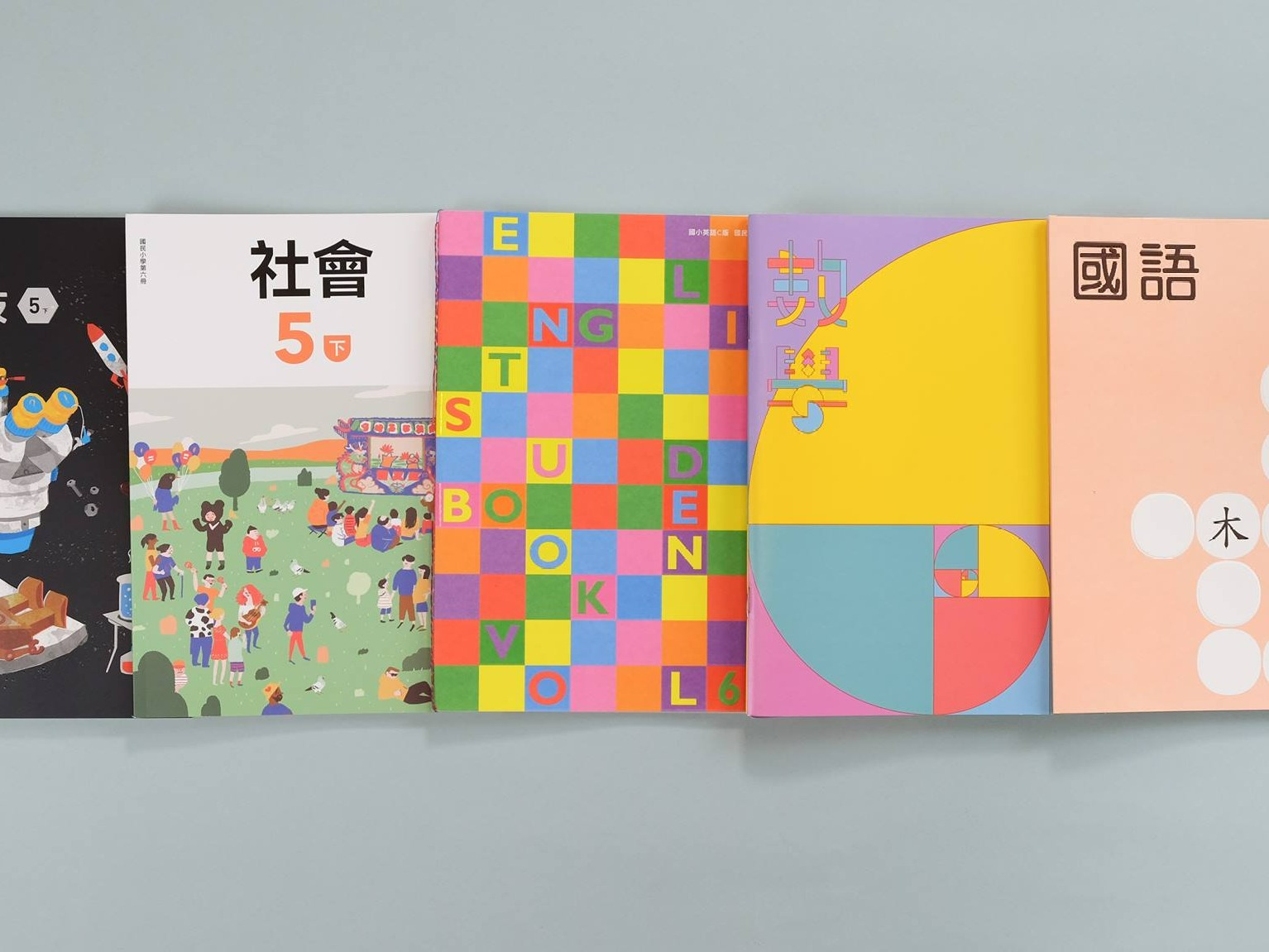
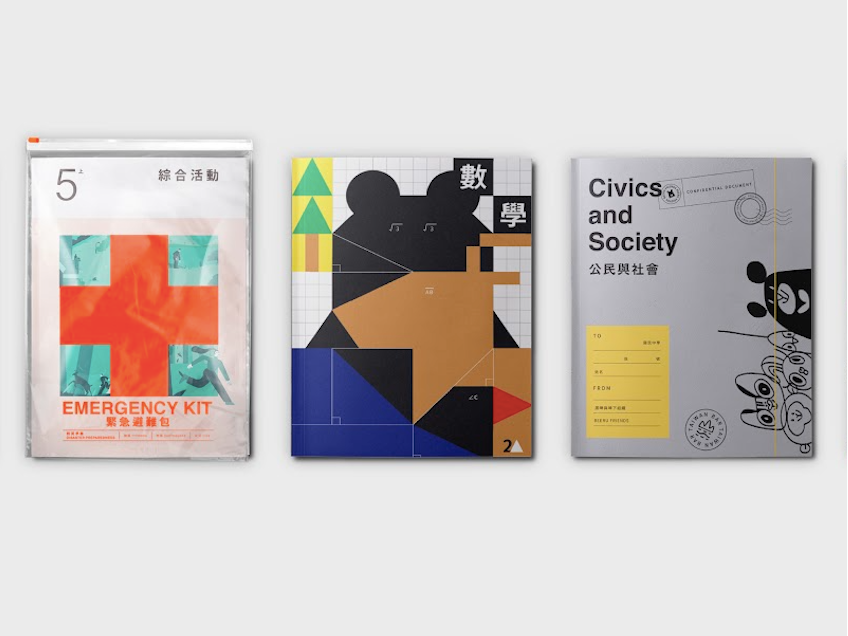
The Aesthetic Textbook Project was initiated by three students from National Chiao Tung University.
Rather than complaining about the education system, they chose to act.
Through crowdfunding, they redesigned textbook layouts, illustrations, and overall visual language.
Their belief was simple:
If this experiment could demonstrate that textbooks can be better, the Ministry of Education and publishers might begin to reconsider the long-held assumption that textbooks should only be cheap and basic.
One line from the project stayed with us in particular:
If textbooks are the only books rural children encounter in school, then they should not merely be basic—they should be the very best.
Our own work has long focused on both education and the arts, and the Aesthetic Textbook Project sits precisely at the intersection of the two.
Within our broader educational initiatives:
The Love Book Bank provides extracurricular reading materials for schools in both urban and rural areas.
TFT (Teach For Taiwan) brings passionate teachers into underserved communities.
Yet the reality remains:
Not every school can immediately recruit enough teachers, and not every book will necessarily be used in the classroom.
So we began asking another question:
Is there something that happens every day, without requiring additional resources?
The answer was simple: the textbook itself.
If textbooks are designed with greater care and curiosity, the motivation to learn might arise naturally.
At first glance, aesthetics may seem distant from everyday life.
But in truth, it appears every day in the classroom.
When children have few additional books to read, no exhibitions to visit, and limited external stimuli,at the very least, they still open their textbooks every day.
Under such circumstances, textbooks should not merely be functional— they deserve to be thoughtfully made.
Impact
After several years of effort, the Aesthetic Textbook Project began influencing both policy and the publishing industry.
Rather than confronting the system loudly, it chose a gentler approach—engaging in dialogue and collaboration with government agencies and publishers.
The initiative also attracted many young designers, inspiring them to rethink what textbooks could become.
Perhaps the project’s most important outcome is not a single redesigned book,
but a shift in belief:
The starting point of aesthetics lies in the most ordinary places.
When even foundational learning materials embody beauty, children’s perception of the world begins to change as well.
After several years of effort, the Aesthetic Textbook Project began influencing both policy and the publishing industry.
Rather than confronting the system loudly, it chose a gentler approach—engaging in dialogue and collaboration with government agencies and publishers.
The initiative also attracted many young designers, inspiring them to rethink what textbooks could become.
Perhaps the project’s most important outcome is not a single redesigned book,
but a shift in belief:
The starting point of aesthetics lies in the most ordinary places.
When even foundational learning materials embody beauty, children’s perception of the world begins to change as well.

Visit Aestheticell

