

Culture
When a Dance Company Becomes a Nation’s Story
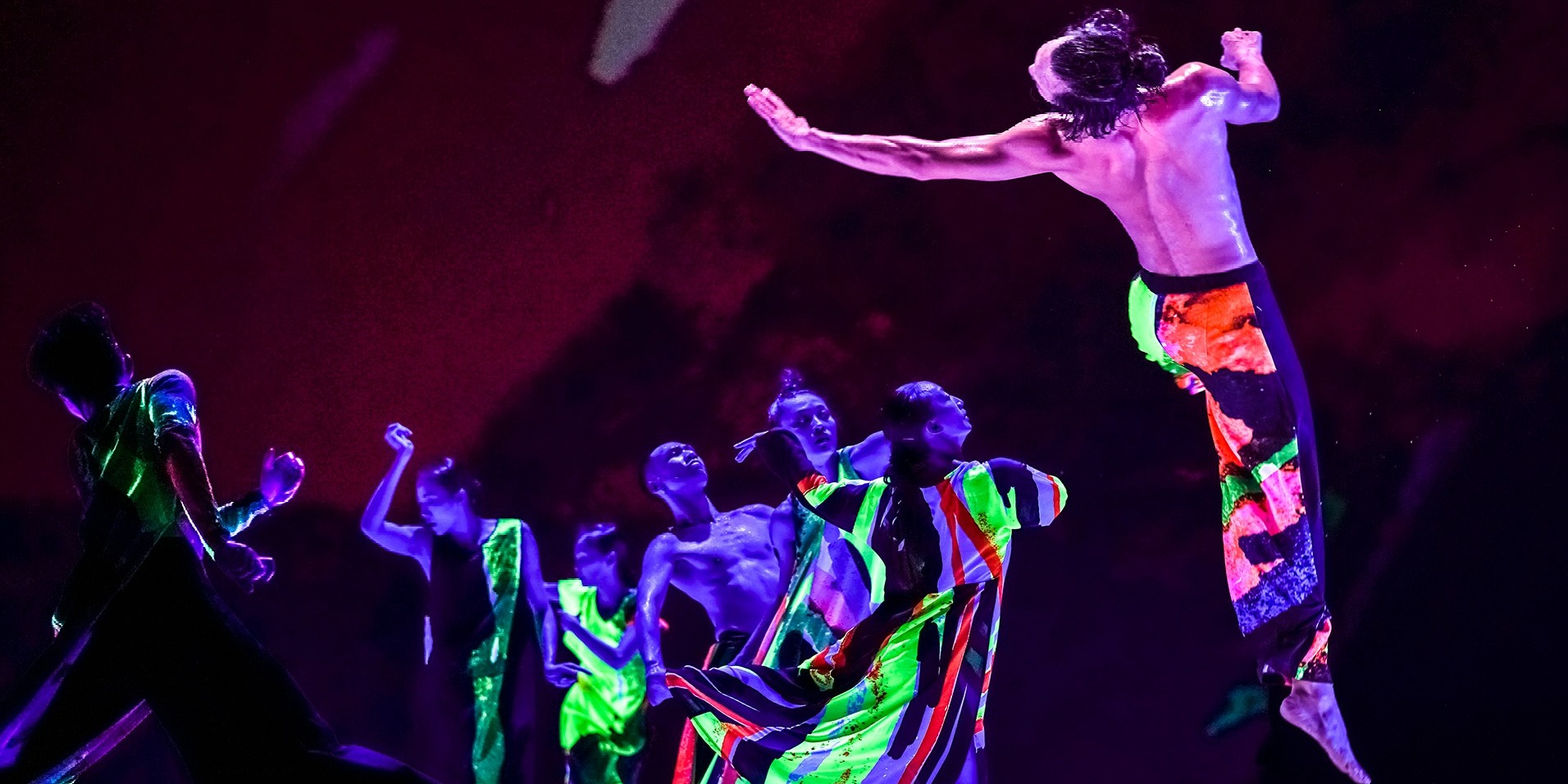
“Cloud Gate Dance Theater: A Roving, Bounding Symbol of Taiwan.”— The New York Times
What moved us most in working with the Cloud Gate team was their quiet confidence—neither humble nor arrogant. They were fully aware of the challenges they faced, yet they also reminded us of something important: this was not only Cloud Gate’s difficulty, but a challenge shared by performing arts groups everywhere.
What moved us most in working with the Cloud Gate team was their quiet confidence—neither humble nor arrogant. They were fully aware of the challenges they faced, yet they also reminded us of something important: this was not only Cloud Gate’s difficulty, but a challenge shared by performing arts groups everywhere.
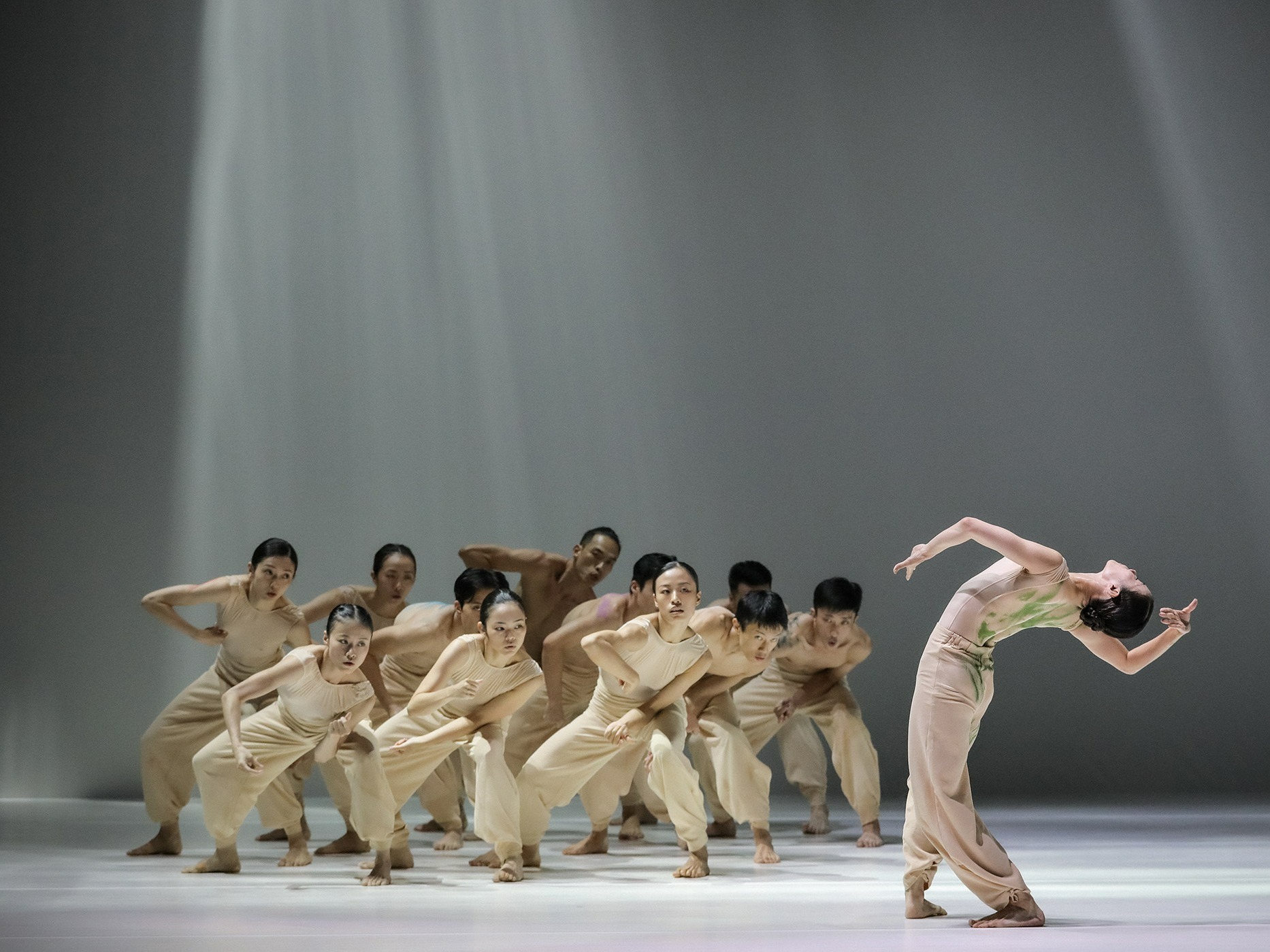
“Sounding Light (Ding Guang)” — Photo by Li Jiaye
Duration:2020~2024
Rationale
In 2020, we began paying particular attention to Cloud Gate Dance Theatre, for two reasons.
The first was a moment of transition.
Cheng Tsung-lung officially succeeded Lin Hwai-min as Artistic Director, marking the beginning of a new generation for Cloud Gate.
This was not simply a change in leadership.
It was a critical moment in determining whether the company could transform and continue to be seen on the world stage.
The second reason was the impact of the pandemic.
COVID-19 swept across the globe, bringing international touring almost to a complete halt.
For Cloud Gate—one of Taiwan’s most internationally active performing arts companies—this was an unprecedented challenge.
Initiatives
We still remember a line from the 2013 announcement when Ping-Fong Acting Troupe suspended its performances indefinitely:
For a performing arts company to survive, what matters most is not fame, but the work itself.
In the performing arts, the work carries the life and thinking of the creator.
It is not simply a brand extension like a commercial product.
So when Lin Hwai-min retired, our feelings were mixed—both congratulations and concern.
Was the transition truly ready?
Could new creations continue to sustain Cloud Gate’s global reputation?
Yet from the way Cheng Tsung-lung had been preparing and building his work, it became clear that this succession was not sudden—it was the result of long preparation.
Someone once described it beautifully:
“Master Lin is like a mountain. If the shadow feels large, it means there must be light ahead.”
Just as we began considering support for new creative work, the pandemic suddenly made every question more immediate.
At that moment, Cloud Gate was no longer asking whether it could shine internationally.
The question became whether the company could simply endure.
Could dancers continue training?
Could the team maintain operations?
Could creation continue without interruption?
These seemingly ordinary concerns—the everyday necessities—are in fact the conditions that allow art to exist.
Supporting artistic creation is, in some ways, like investing in a startup.
It requires a certain willingness to take risks.
That courage does not come from polished proposals.
It comes from the passion in an artist’s eyes, the certainty in their voice, and the calm they maintain in the face of adversity.
In our conversations with the Cloud Gate team, what touched us most was their balanced composure.
They understood exactly what they were facing, and they reminded us gently:
This was not only Cloud Gate’s challenge.
It was a shared struggle across the performing arts world.
Impact
Looking back at the groups we have supported—Paper Windmill Theatre, U-Theatre, and Cloud Gate Dance Theatre—it might appear as though we simply choose famous organizations.
But in truth, each collaboration has been driven by different reasons.
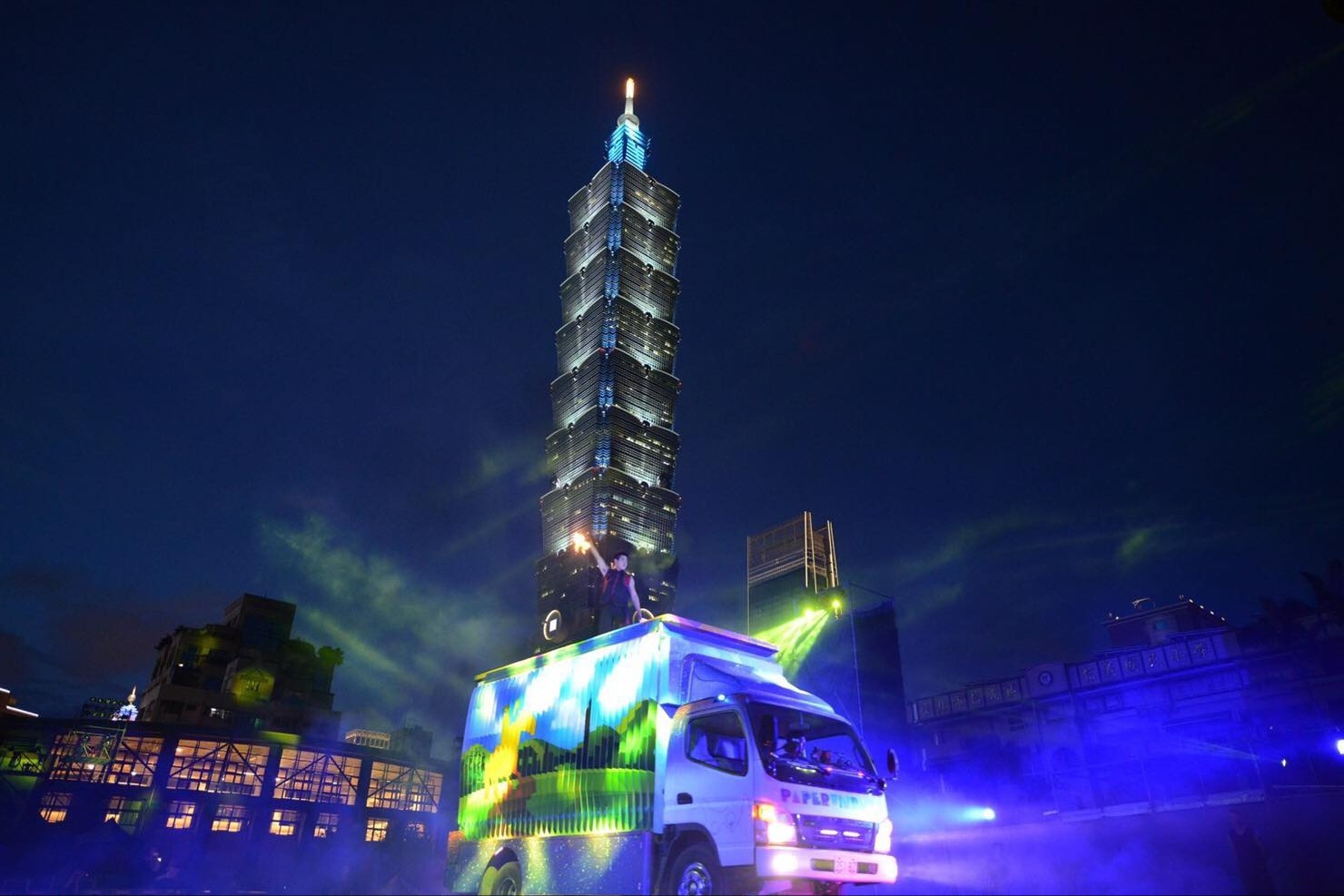
With Paper Windmill, the partnership led to the Truck Art Project.
With U-Theatre, the focus was on creating a place capable of carrying cultural spirit.
And at Cloud Gate’s pivotal moment, we chose to accompany them through the storm.
Not because of reputation,
but because each moment happened to be a critical turning point.
The story is a bit like looking at the night sky.
People first notice the few bright stars that form recognizable shapes, and only then begin to understand the vastness of the entire sky.
Our hopes for Taiwanese art are much the same.
We hope that one day, Taiwan’s aesthetics will naturally find their way into the world—
allowing people from many places to discover resonance and belonging through art.
When that moment comes, it will not be a loud triumph.
It will be something quieter— a calm and enduring smile.
Looking back at the groups we have supported—Paper Windmill Theatre, U-Theatre, and Cloud Gate Dance Theatre—it might appear as though we simply choose famous organizations.
But in truth, each collaboration has been driven by different reasons.
With Paper Windmill, the partnership led to the Truck Art Project.
With U-Theatre, the focus was on creating a place capable of carrying cultural spirit.
And at Cloud Gate’s pivotal moment, we chose to accompany them through the storm.
Not because of reputation,
but because each moment happened to be a critical turning point.
The story is a bit like looking at the night sky.
People first notice the few bright stars that form recognizable shapes, and only then begin to understand the vastness of the entire sky.
Our hopes for Taiwanese art are much the same.
We hope that one day, Taiwan’s aesthetics will naturally find their way into the world—
allowing people from many places to discover resonance and belonging through art.
When that moment comes, it will not be a loud triumph.
It will be something quieter— a calm and enduring smile.
Visit Cloud Gate Dance Theatre

