

Culture
Human-centered Design Thinking
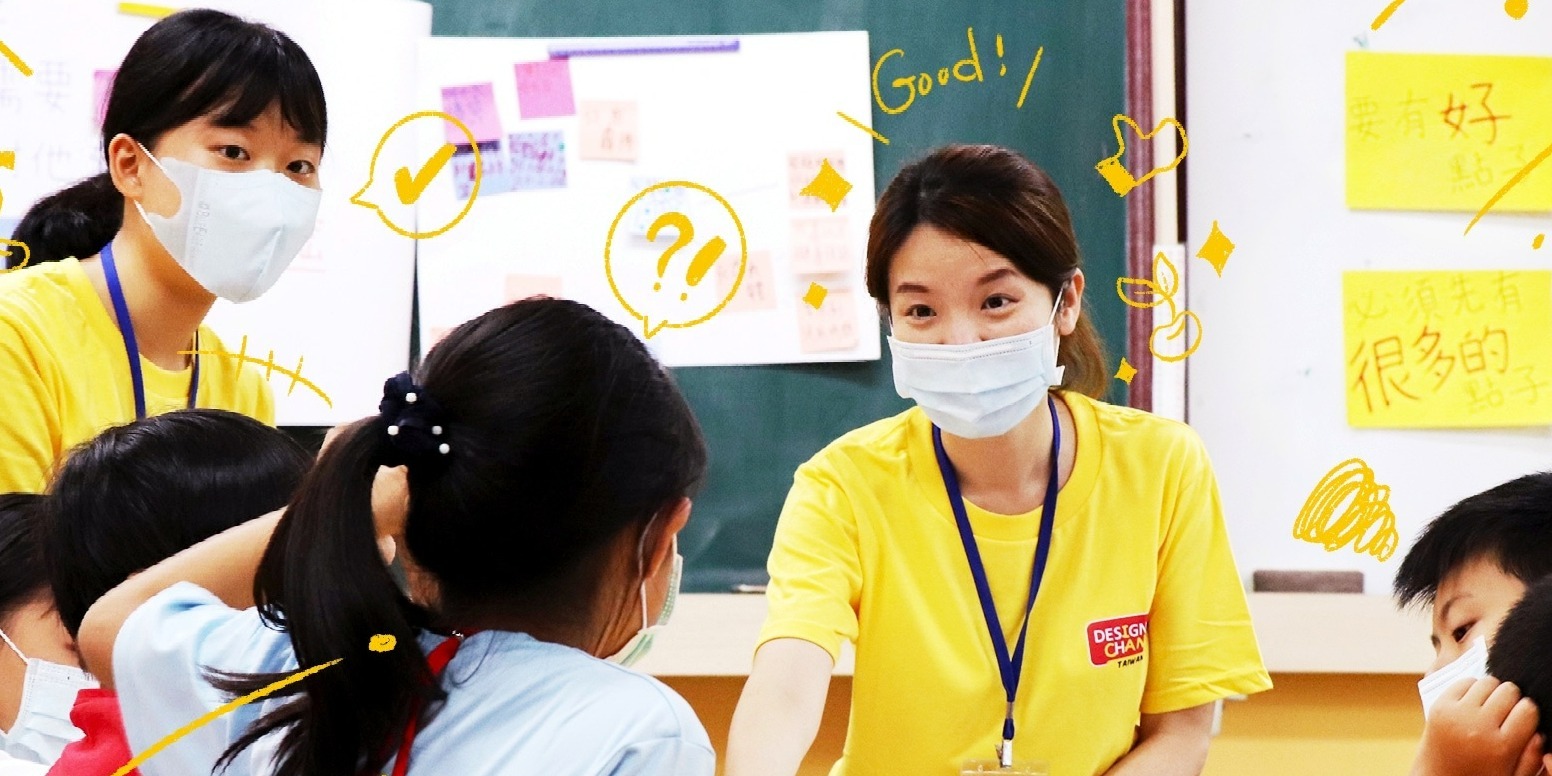
DFC and City Wanderer work with different age groups and adopt different approaches, yet their ideas are closely aligned:
to fill the gaps within the existing education system through new ways of learning.
DFC’s teaching methods have already begun influencing how many teachers design their classes, and in some schools they have even become signature programs.
In the future, they hope these methods will become a regular part of social science education in elementary and middle schools.
City Wanderer has also built a strong reputation among universities and colleges, and has increasingly attracted attention from companies.
to fill the gaps within the existing education system through new ways of learning.
DFC’s teaching methods have already begun influencing how many teachers design their classes, and in some schools they have even become signature programs.
In the future, they hope these methods will become a regular part of social science education in elementary and middle schools.
City Wanderer has also built a strong reputation among universities and colleges, and has increasingly attracted attention from companies.
Duration:2013~2016
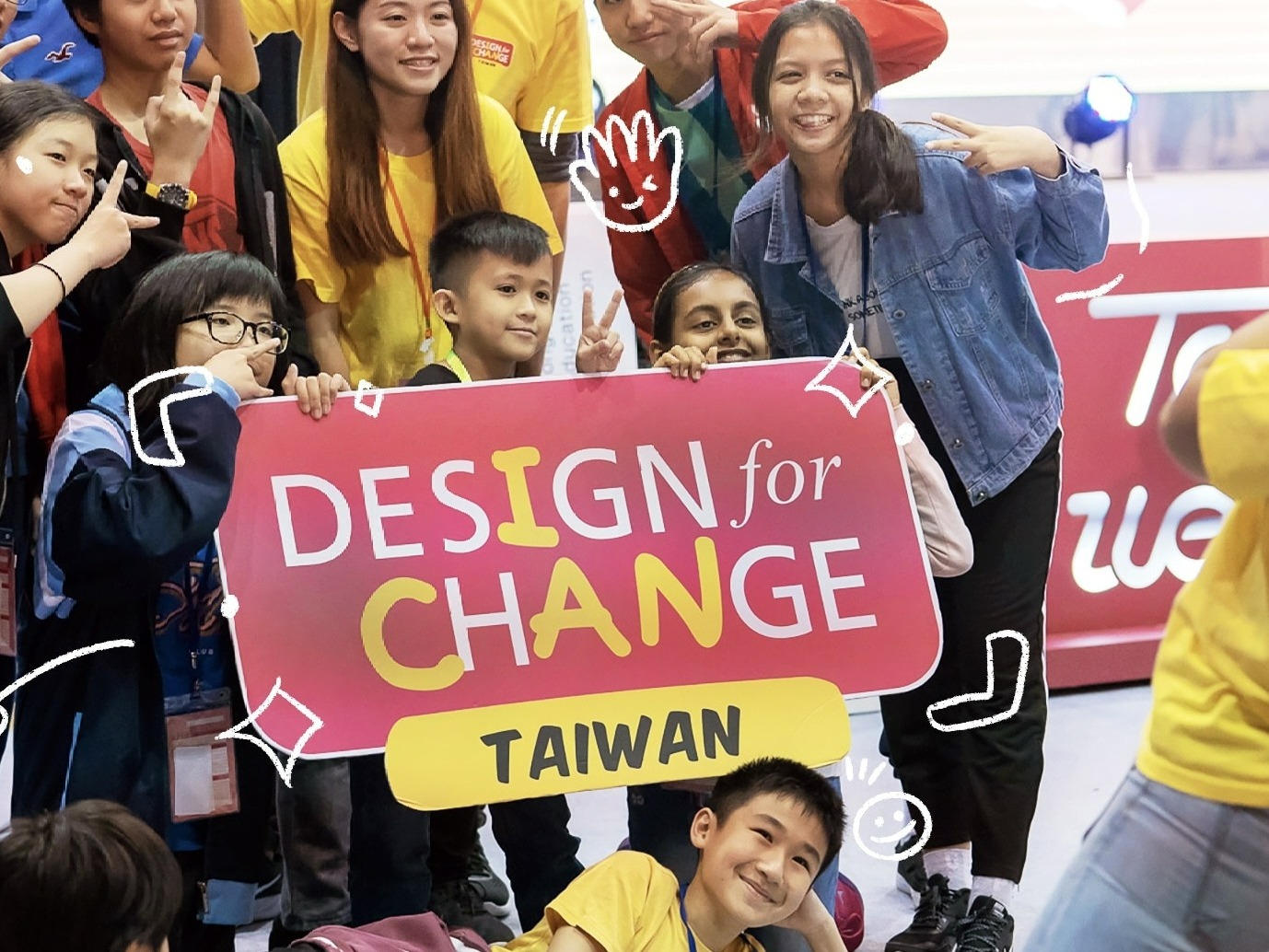
Stimulating classrooms through design thinking
Rationale
From participating in the Love Book Bank and supporting TFT teachers in rural schools, we kept asking ourselves a question:
If education is not only about catching up on classroom progress, what else could it be?
In the logistics industry we know well, many outstanding drivers were not the traditional “model students” of the education system.
Yet they are logical in their work, capable of solving problems, and able to get things done.
This made us believe that education must have other paths.
It should not only teach knowledge or technical skills, but also ways of thinking and working—abilities that can stay with a person for a lifetime.
That is why we chose to invest resources in initiatives that may seem non-mainstream, yet help fill gaps in the current education system—such as Wu Wei Wu, DFC Taiwan, and City Wanderer.
Initiatives
In 2012, we encountered the concept of Design Thinking.
Developed by the American firm IDEO, its core idea is simple:
understand people first, then design solutions.
We began searching for organizations in Taiwan that were truly bringing this methodology into classrooms.
That search led us to DFC Taiwan.
DFC Taiwan originated from the Indian Riverside School model and believes that design thinking can help both students and teachers solve real problems encountered in learning.
They distilled this complex methodology into four memorable steps:
- Feel – Understand the problem and empathize with others
- Imagine – Explore possible solutions
- Do – Take action and test ideas
- Share – Reflect and communicate what has been learned
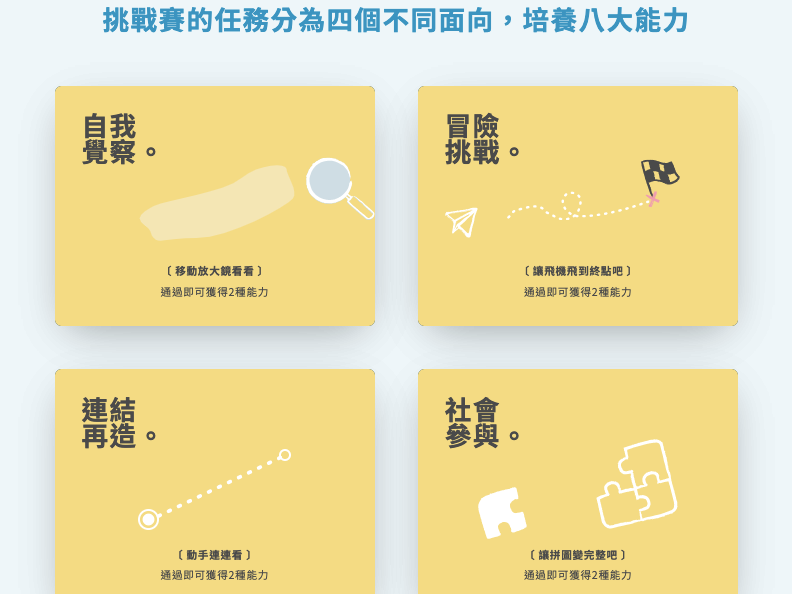
Another organization we supported is City Wanderer.
This initiative was originally created in Taiwan, evolving from a university student club into a formal association.
Through game-like challenges, City Wanderer encourages high school and university students to step outside their comfort zones, explore their own values, and respond to social issues through action.
Their programs focus on four areas:
- self-awareness
- adventurous challenges
- rebuilding connections
- social participation
Impact
Although DFC and City Wanderer serve different age groups and employ different approaches, their core philosophy is remarkably similar:
to address the gaps within the current education system through alternative pathways.
DFC’s teaching methods have already begun influencing classroom design and have been adopted as special programs in several schools.
In the future, they hope design thinking will become a routine part of social science education in elementary and middle schools.
City Wanderer has also gained a strong reputation among universities and colleges, and its programs have begun attracting the attention of businesses.
What once began as a series of challenge activities is gradually evolving into something closer to a self-development curriculum for young people, offering companies new ways of imagining the talents of the future.
Our hope is not only that these initiatives continue to grow and endure.
More importantly, we hope they become models that can be replicated and learned from.
One day, educational innovations developed in Taiwan may not only transform how local students learn,but also travel beyond Taiwan and become examples shared internationally.
Because education, after all, should never have only one path.
Although DFC and City Wanderer serve different age groups and employ different approaches, their core philosophy is remarkably similar:
to address the gaps within the current education system through alternative pathways.
DFC’s teaching methods have already begun influencing classroom design and have been adopted as special programs in several schools.
In the future, they hope design thinking will become a routine part of social science education in elementary and middle schools.
City Wanderer has also gained a strong reputation among universities and colleges, and its programs have begun attracting the attention of businesses.
What once began as a series of challenge activities is gradually evolving into something closer to a self-development curriculum for young people, offering companies new ways of imagining the talents of the future.
Our hope is not only that these initiatives continue to grow and endure.
More importantly, we hope they become models that can be replicated and learned from.
One day, educational innovations developed in Taiwan may not only transform how local students learn,but also travel beyond Taiwan and become examples shared internationally.
Because education, after all, should never have only one path.


Visit DFC、 City Wanderer

