Education
Education is a generational mission; change is a lifelong commitment
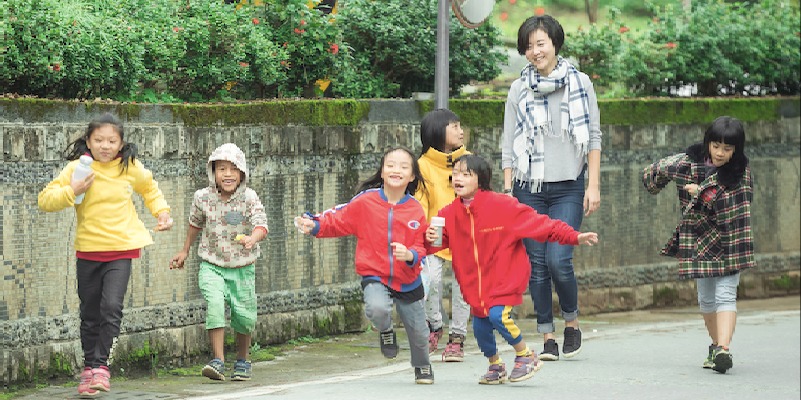
TFT’s story is not merely a successful case of an education initiative.
It is also a story about believing in the younger generation—and being willing to entrust them with responsibility.
It began with one person, grew into a group, and gradually evolved into an ecosystem.
The story is not over, and we are willing to keep watching it unfold.
Duration:2014~2022
Rationale
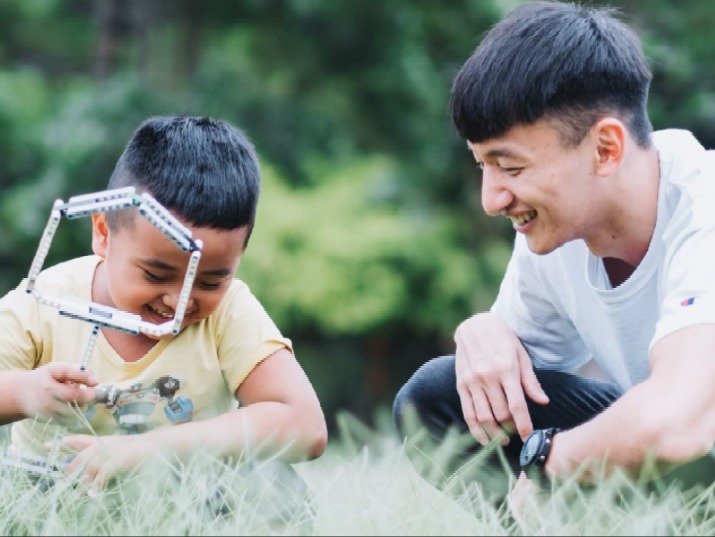
“Love Book Bank” first drew our attention to the challenges of rural education.
We came to realize that the issue was never simply about lacking a book or a class.
Behind it lie deeper structural factors—family income, resource distribution, school systems, and even broader social inequalities.
So we began to examine rural education more closely: studying government policies, visiting nonprofit organizations, and observing how different groups were responding to the issue.
Throughout this process, we kept asking ourselves:
Is there an approach aligned with our values—one we could walk alongside for the long term?
Through an introduction, we met the founding team of TFT (Teach For Taiwan), which was about to launch.
What drew us in was not passion alone, but clarity of thought.
At our first meeting, instead of offering emotional praise, we asked practical questions:
Is this a short-term experience, or a long-term commitment?
If you could only send 10 teachers to rural areas, how would you deploy them?
What truly moved us was not slogans, but founder Liu An-Ting’s clear thinking when she spoke about systems and strategy.
She believed that young people do more than raise their voices—they can step into real classrooms and participate directly in change.
TFT’s approach was clear:
Recruit young people with passion who are willing to commit two years, train them rigorously, and place them in rural schools.
But she also understood that idealism alone would not be enough.
The government and schools had to be willing to try.
To make that happen, she personally visited multiple counties and schools, negotiating partnerships one by one.

Initiatives
One of TFT’s core design principles was simple yet crucial: teachers should not fight alone.
Rather than dispersing teachers across Taiwan, TFT organized them by region—small teams entering the same or neighboring schools together.
This structure allowed teachers to support one another and reduced the likelihood of burnout under pressure.
If someone had proposed that “within three years, every township should have one TFT teacher,” we would have chosen to step away.
This was never about scaling numbers quickly; it was about building something steady and sustainable.
Our support was straightforward:
No ceremonies of gratitude, no mandatory contracts.
If there was any true commitment, it belonged to the younger generation’s responsibility toward society.
Our only request was to participate in the teacher selection process—because in the early years, every individual mattered.
What kind of person could represent this generation’s sense of responsibility?
Who could inspire peers?
More importantly, who was truly suited for the realities of rural classrooms?
When cohort sizes were still small, any misstep—early departures, terminated contracts, safety concerns, or mental health issues—could have caused the entire initiative to collapse.
One of TFT’s core design principles was simple yet crucial: teachers should not fight alone.
Rather than dispersing teachers across Taiwan, TFT organized them by region—small teams entering the same or neighboring schools together.
This structure allowed teachers to support one another and reduced the likelihood of burnout under pressure.
If someone had proposed that “within three years, every township should have one TFT teacher,” we would have chosen to step away.
This was never about scaling numbers quickly; it was about building something steady and sustainable.
Our support was straightforward:
No ceremonies of gratitude, no mandatory contracts.
If there was any true commitment, it belonged to the younger generation’s responsibility toward society.
Our only request was to participate in the teacher selection process—because in the early years, every individual mattered.
What kind of person could represent this generation’s sense of responsibility?
Who could inspire peers?
More importantly, who was truly suited for the realities of rural classrooms?
When cohort sizes were still small, any misstep—early departures, terminated contracts, safety concerns, or mental health issues—could have caused the entire initiative to collapse.
Impact
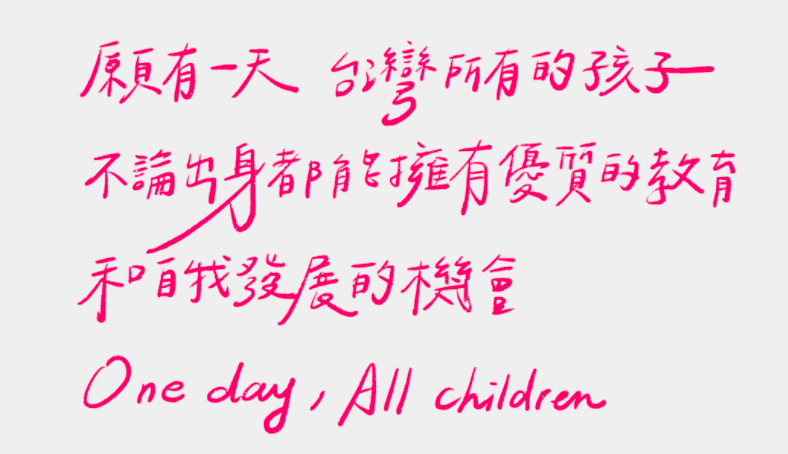
By the third and fourth cohorts, TFT had begun to stabilize.
The number of teachers increased, and there was room to experiment with candidates from diverse backgrounds.
At this stage, the focus shifted:
Would teachers choose to stay?
Would schools continue the partnership?
Could the initiative expand to more campuses?
We often reminded new teachers entering classrooms:
The impact of systems matters more than individual heroic stories.
Do not use your two-year commitment to judge a lifelong teaching career.
Your true mission is this:
When you leave, TFT should be a partner that schools trust and want to continue working with.
The most meaningful impact would be for your teaching methods to be adopted by full-time teachers—so that what was once an “exception” becomes everyday practice.
From a single initiative, an entire ecosystem began to emerge.
As more TFT alumni chose to remain in education, we witnessed a broader educational network gradually taking shape.
Some entered publicly funded private schools.
Some developed online learning platforms, expanding access to students beyond TFT placements.
Others, drawing from frontline teaching experience, founded new organizations focused on equitable English education in rural areas.
Different experiments and pathways unfolded simultaneously, gradually forming a collective capable of engaging in dialogue with the formal education system.
TFT’s story is not just the success of an education program.
It is a story of trusting the younger generation and handing over responsibility.
It began with one person, grew into a community, and slowly matured into an ecosystem.
The story is not finished.
And we are willing to keep watching.