

Culture
When Images Begin to Speak for Themselves
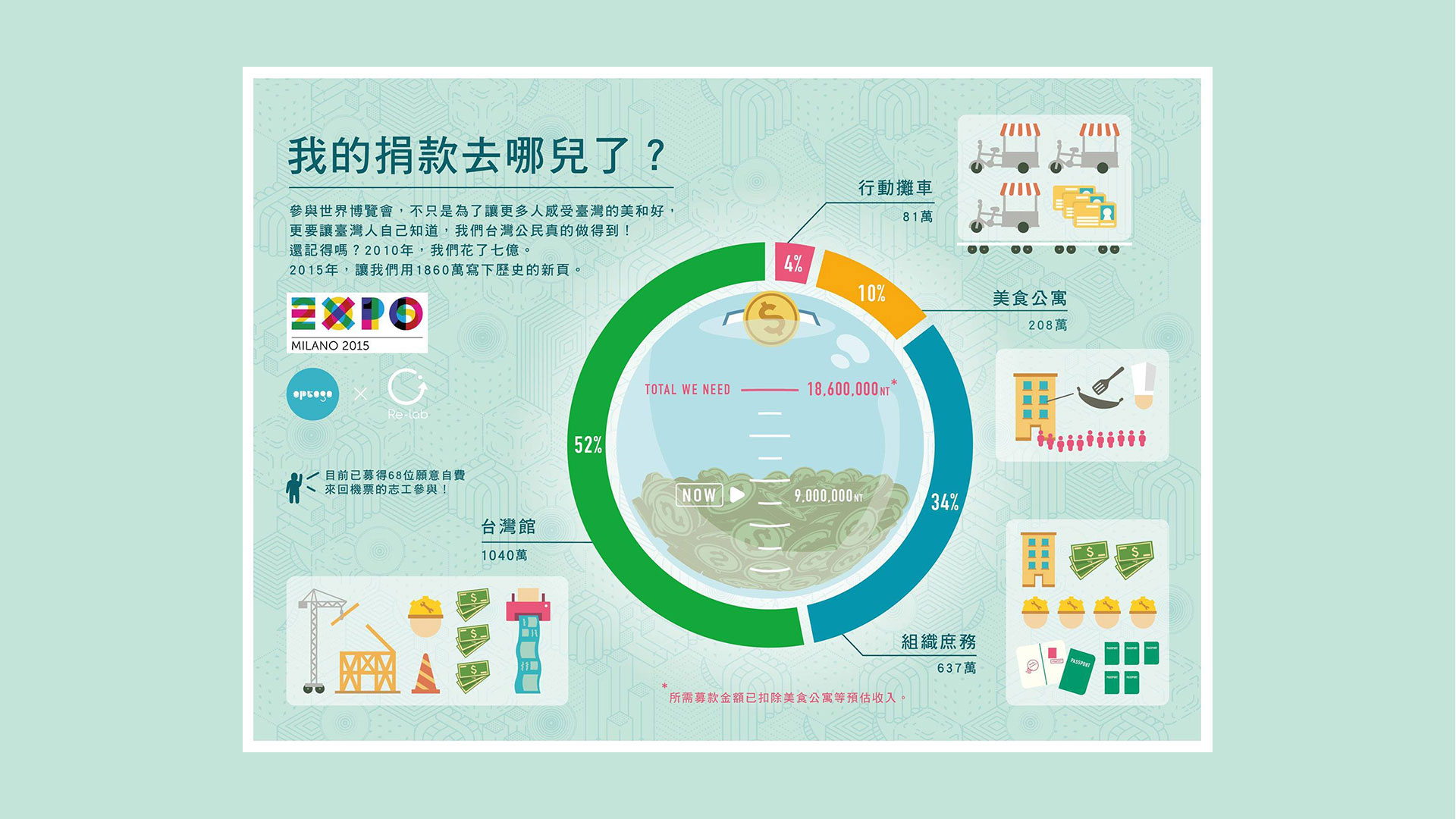
“In an age of information overload, without new ways of expression, even the most important issues can go unnoticed.
Re-Lab and Simple Info can be seen as pioneers in Taiwan’s development of data visualization.
Their work is not only about design innovation—it responds to a larger question: How do we make things truly understandable in this era?”
Re-Lab and Simple Info can be seen as pioneers in Taiwan’s development of data visualization.
Their work is not only about design innovation—it responds to a larger question: How do we make things truly understandable in this era?”
Duration:2016~2022
Rationale
As governments and societies increasingly emphasize openness and transparency,
we quickly encountered a deeper challenge:
Information may be released—but can people actually understand it?
Large volumes of text, data, and reports, if not well-organized or explained,
often make understanding even more difficult for the majority.
At the same time, we began to notice an important shift:
the era of visual communication had truly arrived.
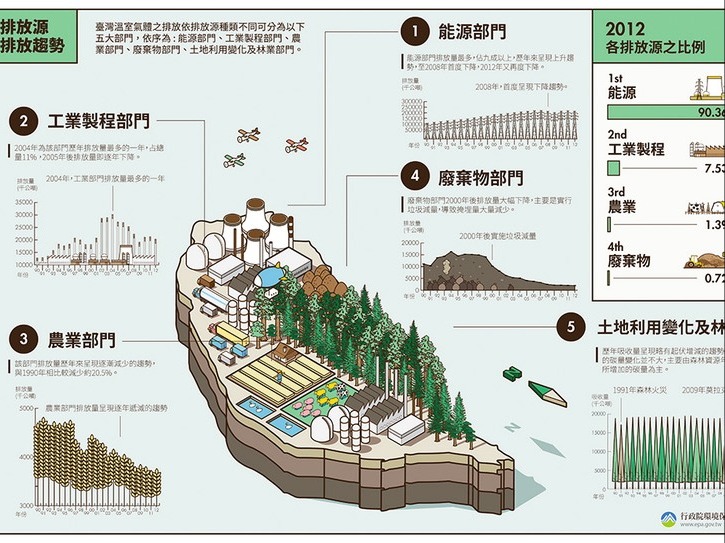
Clear infographics, engaging animated explanations,
and interactive digital interfaces are all helping people grasp information that was once complex and distant.
Just as we cannot measure a culture by how many words it produces,
we should not measure communication depth by how much text it contains.
Through our work with the Love Book Bank, we also observed changes in how children read:
text has become more concise, while the role of visuals has grown.
Some adults worry—
Are children losing interest in reading?
Are they no longer able to engage with long-form text?
But we chose to approach this differently.
Rather than criticizing this visual mode of thinking,
we should seek to understand it as a new form of communication.
It was within this context that we came to know two representative teams:
Re-Lab (Rethink Design Studio) and SimpleInfo Design.
Initiatives
These two teams come from different backgrounds and take different approaches,
but they share one core concern:
how information can be truly understood by the public.
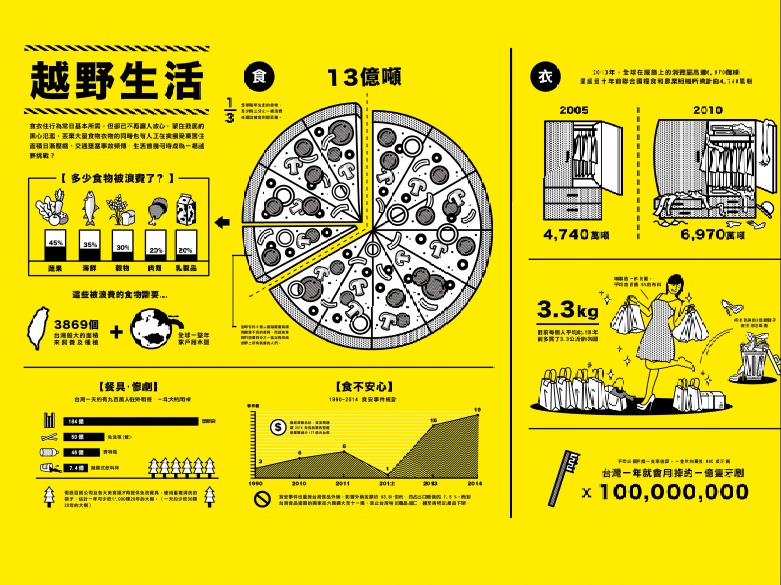
SimpleInfo Design is highly attuned to social issues,
regularly producing infographics—often referred to as “explainer packs”—that translate complex public topics into accessible formats.
Re-Lab, on the other hand, focuses deeply on the data itself,
constantly exploring whether large and complex datasets can be redesigned
to balance both analytical rigor and intuitive understanding.
Their work is not simply about making information look appealing.
It is about asking:
How can design enable real communication?
Of course, visual communication is often questioned:
Does it oversimplify?
Does it lack rigor?
But to us, any new form of communication must go through cycles of experimentation and refinement.
In an age of information overload, without new ways of expression,
even the most important issues risk being overlooked.
Re-Lab and SimpleInfo Design stand at the forefront of this evolution in Taiwan.
Their work is not just about design innovation—
it addresses a fundamental challenge:
how to communicate clearly in a complex world.
In our collaborations, we have never been concerned about competition.
As long as the purpose aligns, there can be many methods.
For these emerging teams, integrating social responsibility into their business models is never easy.
They constantly navigate the tension between survival and idealism.
So our role has been closer to that of an “angel partner”—
supporting their ability to carry out social impact,
rather than a transactional relationship of funding and deliverables.
We discuss issues together, facilitate cross-sector collaborations,
and think collectively about how to do things better.
Impact
Over time, these collaborations have begun to bear fruit.
For example:
They represent the convergence of different organizational cultures and ways of thinking.
When information is designed to be more understandable,
communication can truly take place.
This journey is still ongoing.
But because some are willing to take the first steps,
new ways of understanding have the chance to emerge.
Over time, these collaborations have begun to bear fruit.
For example:
- RE-THINK partnered with SimpleInfo Design to create the Marine Waste Encyclopedia
- Later, they worked with Re-Lab to develop the Recycling Encyclopedia
They represent the convergence of different organizational cultures and ways of thinking.
When information is designed to be more understandable,
communication can truly take place.
This journey is still ongoing.
But because some are willing to take the first steps,
new ways of understanding have the chance to emerge.

Visit Re-Lab and Simple Info

