

Knowledge
What Others Learned the Hard Way
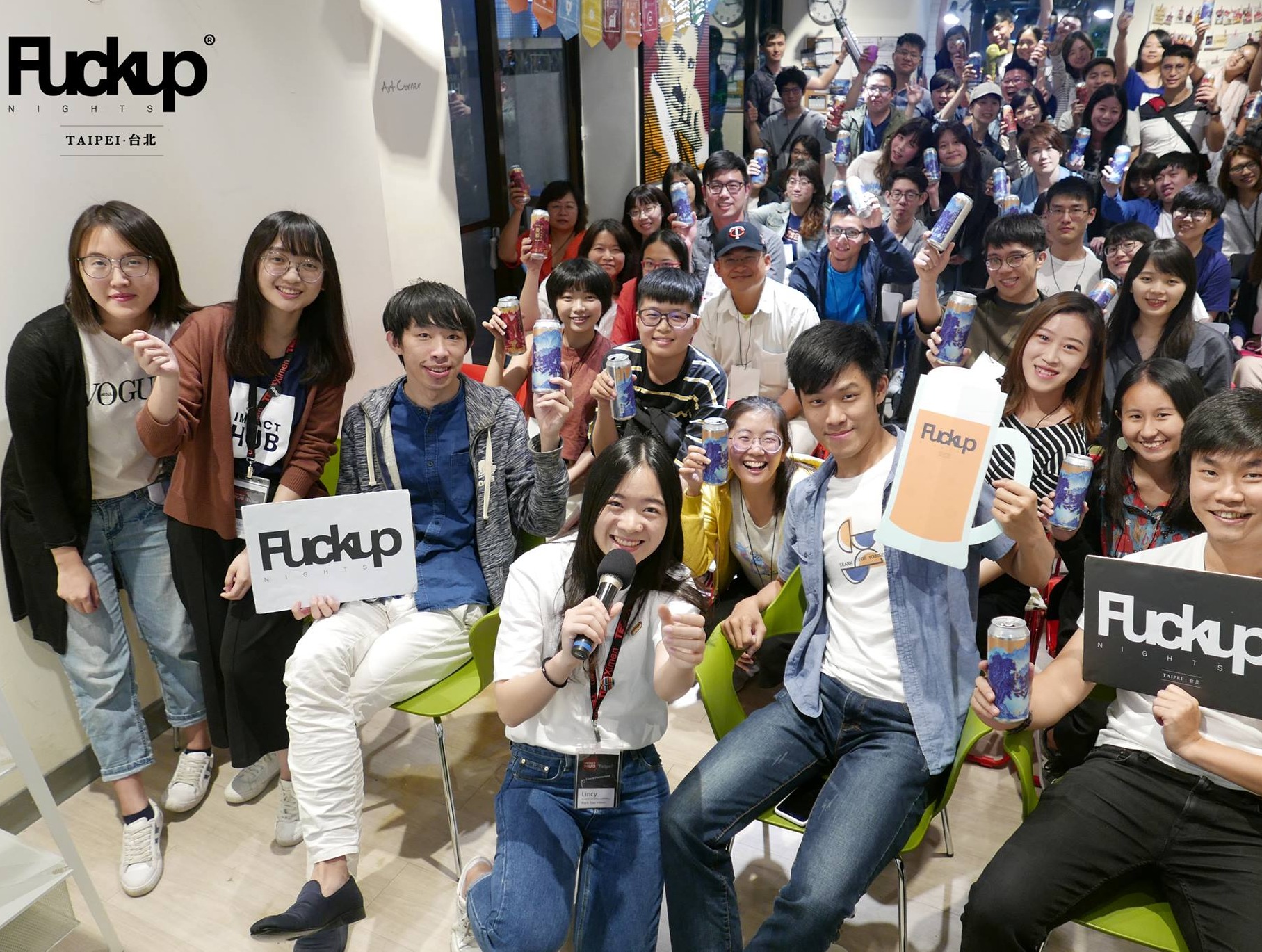
Most corporate-sponsored events prefer to talk about hope, vision, and success. But we believe that shadows are what give the world its depth. The saying “Failure is the mother of success” is, in our view, not really about success at all. What matters is whether failure itself has been properly understood.
Duration:2016~2020
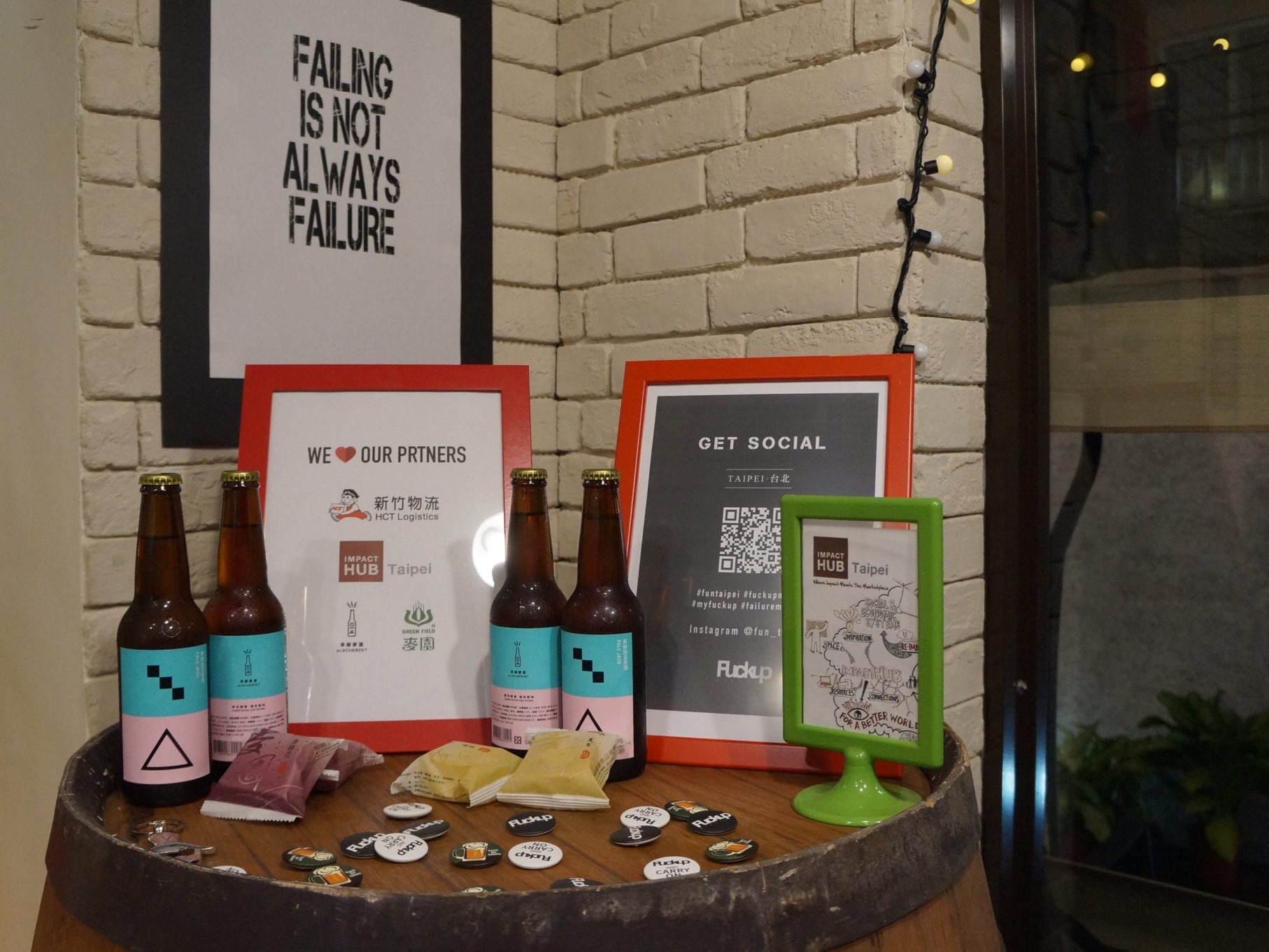
Rationale
As we supported Social Enterprise Insights in building a platform for social innovation, we witnessed the emergence of countless entrepreneurship forums, accelerators, and incubation programs across Taiwan.
Success stories are undoubtedly inspiring.
Yet we also noticed a reality that receives far less attention:
Failure is the norm.
Whether in entrepreneurship or business management, success stories are often told only by those who survived.
The experiments that did not work are rarely documented, analyzed, or openly discussed.
Over time, people see only the bright side, unaware of how many pitfalls lie beneath the surface.
As a result, many end up making the same mistakes—without realizing that others have already stumbled there before.
We often joked:
That brilliant idea you just came up with? Chances are, it has already failed several times. Nobody simply bothered to leave a record.In a society as small as Taiwan, repeatedly making the same mistakes is, in many ways, a waste.
And so, the idea of building a “database of failure” gradually took shape.
Initiatives
Most corporate-sponsored programs are designed to celebrate hope, ambition, and achievement.
But we believe that without shadows, there is no depth.
The phrase “Failure is the mother of success” places too much emphasis on success.
What truly matters is whether failure itself is understood.
Failure is not merely a stepping stone toward success.
It is a real experience—one worthy of being told, examined, and learned from.
That is why Fuckup Nights Taipei represented much more than an event to us.
It was a cultural movement about how we understand failure.
Originally founded in Mexico and introduced to Taiwan by Impact Hub Taipei, the event has often been described as “TED for people who messed up.”
Each speaker is given only:
- 7 minutes
- 10 slides
- how they failed,
- what went wrong,
- and what they learned.
At the end of each gathering, participants raise a toast—not to successful ventures, but to the ideas that have already died.
A toast to failure itself.
Impact
Before long, we realized that failure could not remain confined to the stage.
If the event ended and everyone simply went home, those experiences would eventually disappear.
So we encouraged Impact Hub Taipei to do more than host gatherings.
We hoped they would collect, organize, and study failure.
In the spring of 2021, they published Fearless Failure: 30 Prescriptions for Creating Change Through Failure, transforming stories of failure into knowledge that could be systematically learned through case studies and academic validation.
Someone once put it bluntly:
Another revelation from Fuckup Nights was its origin.
It did not come from one of the world's so-called “advanced countries.”
It began in Mexico.
That realization led us to rethink what international engagement could mean.
Global connections need not be merely about importing or exporting ideas.
They can also emerge through licensing, adaptation, and co-creation.
From learning from international experiences,
to developing our own versions,
and eventually creating something worth sharing with the world—
this may well be a viable path for nonprofits and social enterprises seeking to participate in global communities.
And this is why, in supporting initiatives such as Digital Diplomacy Association, School of Disruption, and City Wanderer, we have always hoped for one thing:
To discover ideas and models that are uniquely Taiwanese—and worthy of being seen by the world.
Because only when we are willing to speak honestly about both success and failure,
can innovation truly move forward.
Before long, we realized that failure could not remain confined to the stage.
If the event ended and everyone simply went home, those experiences would eventually disappear.
So we encouraged Impact Hub Taipei to do more than host gatherings.
We hoped they would collect, organize, and study failure.
In the spring of 2021, they published Fearless Failure: 30 Prescriptions for Creating Change Through Failure, transforming stories of failure into knowledge that could be systematically learned through case studies and academic validation.
Someone once put it bluntly:
If a project has died, then donate the body.Just as medicine advances through generous donations and careful study, innovation also depends on enough honest cases from which others can learn.
Another revelation from Fuckup Nights was its origin.
It did not come from one of the world's so-called “advanced countries.”
It began in Mexico.
That realization led us to rethink what international engagement could mean.
Global connections need not be merely about importing or exporting ideas.
They can also emerge through licensing, adaptation, and co-creation.
From learning from international experiences,
to developing our own versions,
and eventually creating something worth sharing with the world—
this may well be a viable path for nonprofits and social enterprises seeking to participate in global communities.
And this is why, in supporting initiatives such as Digital Diplomacy Association, School of Disruption, and City Wanderer, we have always hoped for one thing:
To discover ideas and models that are uniquely Taiwanese—and worthy of being seen by the world.
Because only when we are willing to speak honestly about both success and failure,
can innovation truly move forward.



Visit Fuckup Nights Taipei

